

You’re tired of seeing the overflowing trash bins each week, knowing there’s a better way. You’re ready to embrace sustainable living but don’t know where to start. Imagine making simple swaps that lighten your environmental footprint without turning your life upside down. In this guide, you’ll discover easy steps to adopt eco-friendly practices, reduce waste, and transform your lifestyle into a more environmentally friendly one. Let’s embark on this journey to a greener future, one small change at a time. For more inspiration, check out these sustainable living tips from Conservation International.
Simple Ways to Reduce Waste
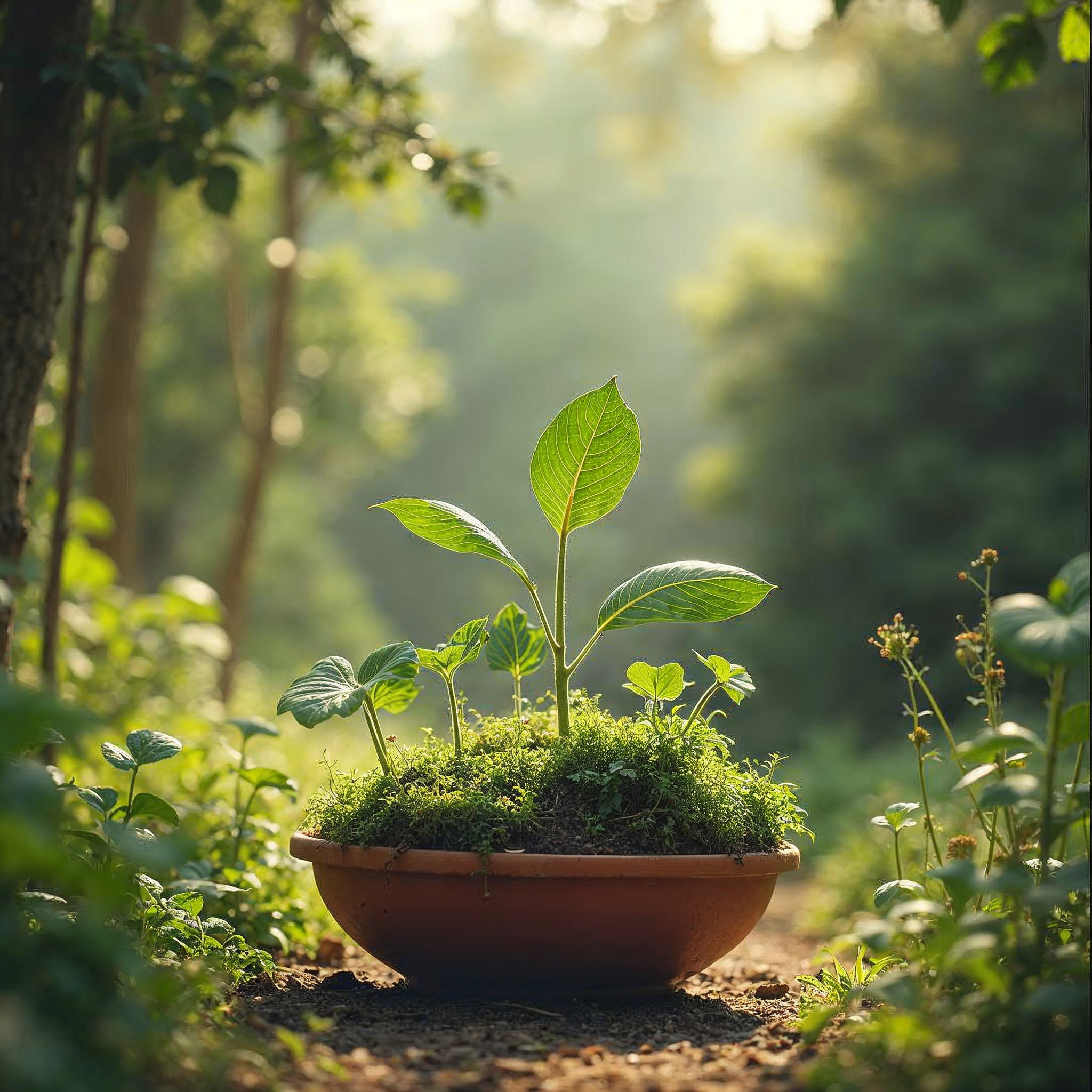
Reducing waste is a key part of sustainable living. Let’s explore some practical ways to cut down on what we throw away and make the most of our resources.
Cut Down on Single-Use Items
Single-use items are a major source of waste in our daily lives. By making a few simple changes, you can significantly reduce your reliance on these disposable products.
Start by replacing plastic water bottles with a reusable one. This small swap can save hundreds of bottles from landfills each year.
Next, consider bringing your own shopping bags to the store. Many places now charge for plastic bags, so this habit can save you money too.
Lastly, opt for reusable containers for your lunch and leftovers instead of disposable plastic wrap or bags. These small changes can make a big difference in reducing your waste output.
Composting Basics for Beginners
Composting is an excellent way to reduce food waste and create nutrient-rich soil for your garden. It’s simpler than you might think to get started.
First, choose a spot in your yard for your compost pile or bin. You’ll want a mix of “green” materials (like fruit and vegetable scraps) and “brown” materials (like dry leaves or newspaper).
Add your kitchen scraps and yard waste to the pile regularly, and turn it every few weeks to aerate it. With time and patience, you’ll have rich compost for your garden.
Remember, not everything can be composted. Avoid adding meat, dairy, or oily foods to your pile to prevent odors and pests. For more detailed guidance, check out this guide to sustainable living from Good Energy.
Easy Green Swaps at Home
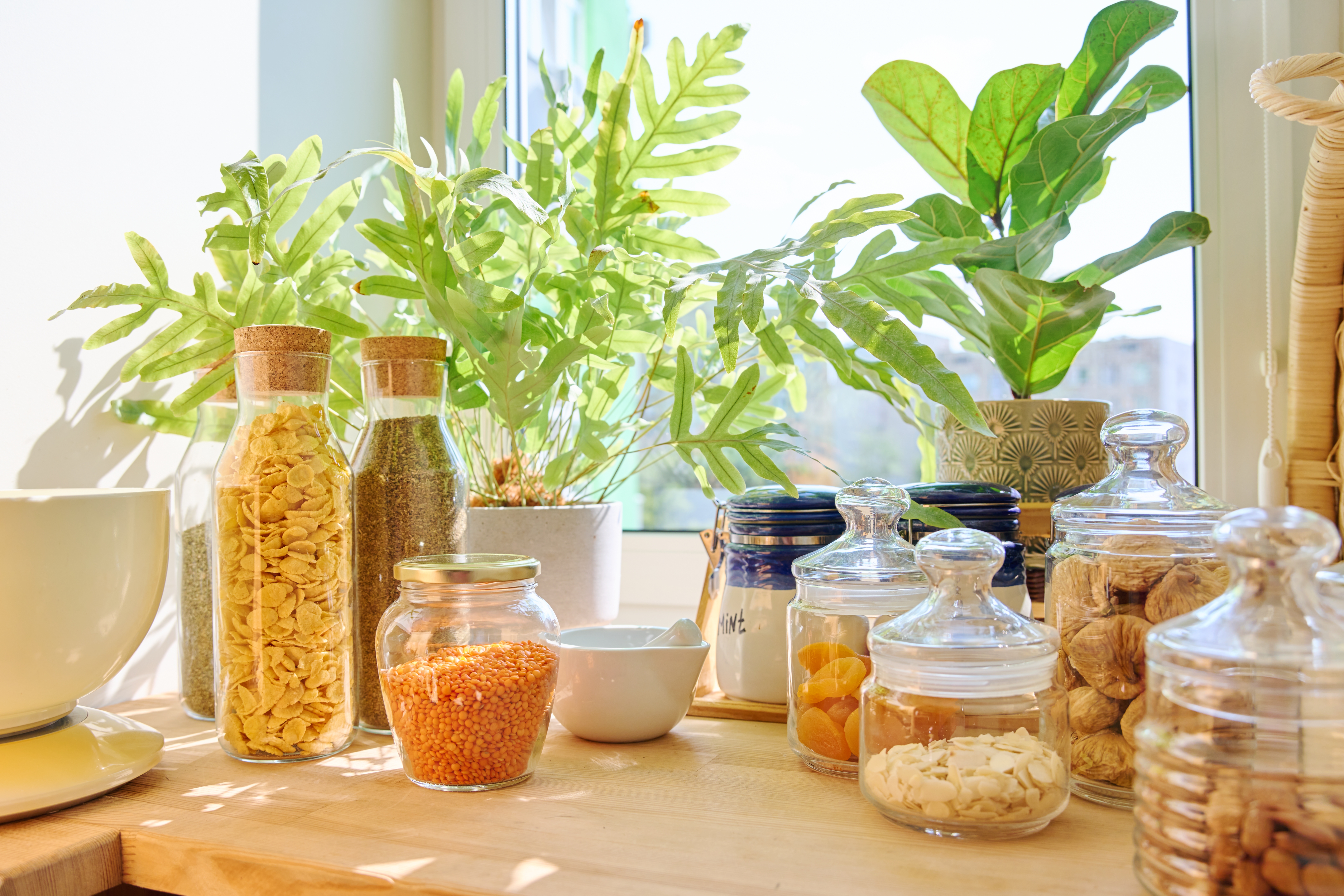
Making your home more eco-friendly doesn’t have to be complicated. Let’s look at some simple swaps you can make in your daily life.
Eco-Friendly Alternatives for Daily Use
Switching to eco-friendly alternatives for everyday items can significantly reduce your environmental impact. These swaps are often easy to make and can become second nature with time.
In the bathroom, try switching to bamboo toothbrushes and plastic-free dental floss. These items are biodegradable and just as effective as their plastic counterparts.
For cleaning, consider using reusable cloths instead of paper towels. You can also make your own cleaning solutions using vinegar and baking soda, which are just as effective as store-bought cleaners and much better for the environment.
In the kitchen, swap plastic wrap for beeswax wraps or silicone lids. These reusable options keep food fresh without creating waste. For more ideas on sustainable living, visit Johns Hopkins University’s sustainability page.
Sustainable Fashion Choices
Fashion can have a big environmental impact, but there are ways to make your wardrobe more sustainable. It’s about making conscious choices and valuing quality over quantity.
Consider buying second-hand clothes or participating in clothing swaps with friends. This extends the life of garments and reduces the demand for new production.
When you do buy new, look for brands that use sustainable materials like organic cotton or recycled fabrics. These choices support more environmentally friendly production methods.
Lastly, take good care of your clothes to make them last longer. Proper washing and storage can extend the life of your garments, reducing the need for frequent replacements.
Practical Sustainability Tips
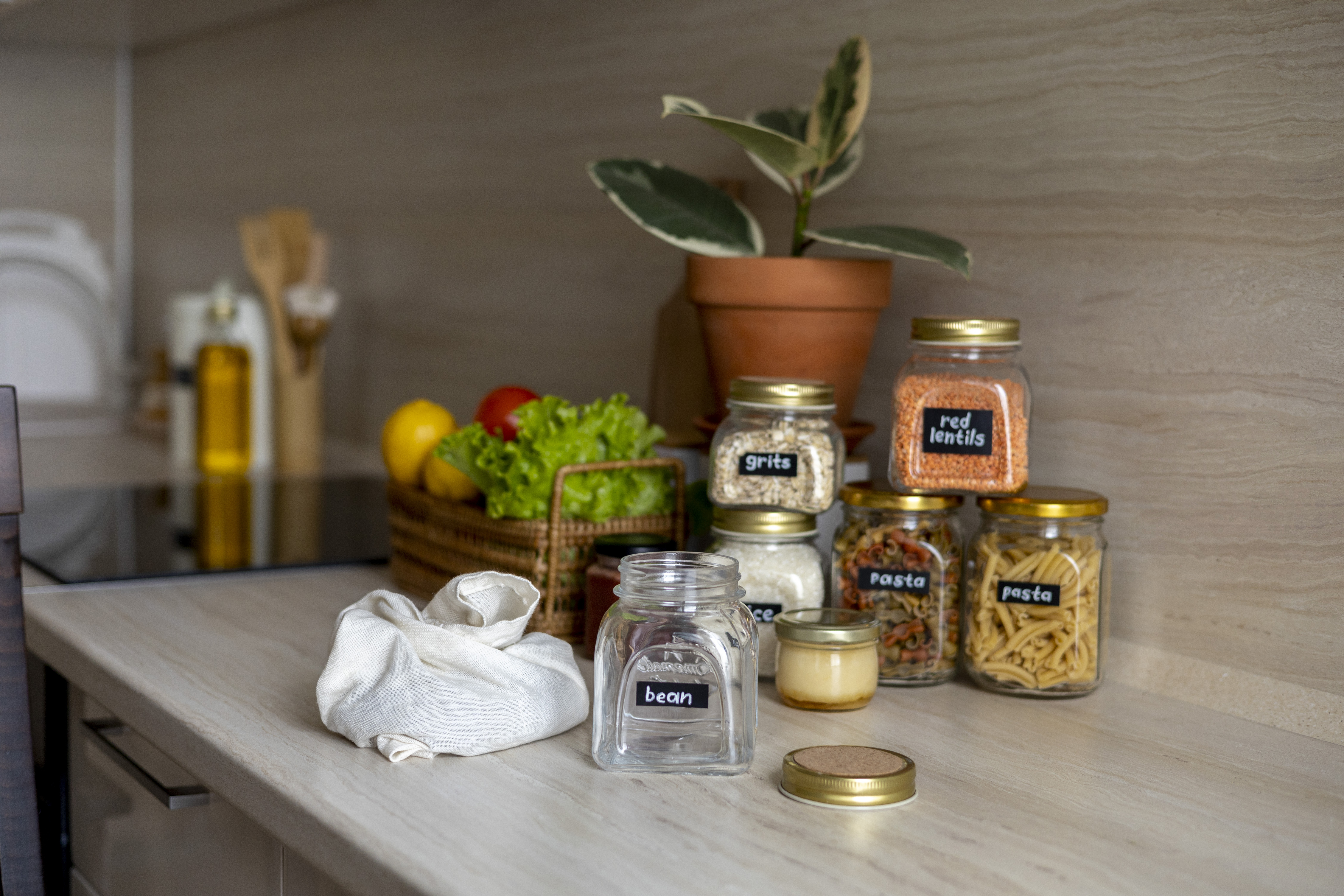
Sustainability isn’t just about what we buy; it’s also about how we use resources in our daily lives. Let’s explore some practical tips for a more sustainable lifestyle.
Energy-Efficient Home Ideas
Making your home more energy-efficient can reduce your carbon footprint and save you money on utility bills. These simple changes can make a big difference.
Start by switching to LED light bulbs. They use less energy and last much longer than traditional bulbs.
Consider using a programmable thermostat to optimize your heating and cooling. This can reduce energy waste when you’re asleep or away from home.
Lastly, unplug electronics when not in use. Many devices draw power even when turned off, so unplugging can save energy and money. For more energy-saving tips, check out this guide to living zero waste from Catholic University.
Water Conservation Strategies
Water is a precious resource, and conserving it is an important part of sustainable living. Here are some strategies to reduce your water usage at home.
Fix any leaky faucets or pipes promptly. A small drip can waste gallons of water over time.
Consider installing low-flow showerheads and faucet aerators. These devices reduce water flow without compromising functionality.
In the garden, water plants early in the morning or late in the evening to minimize evaporation. You can also collect rainwater for watering plants, reducing your reliance on treated water.
Remember, every drop counts. Small changes in your daily habits can lead to significant water savings over time.

Comments